

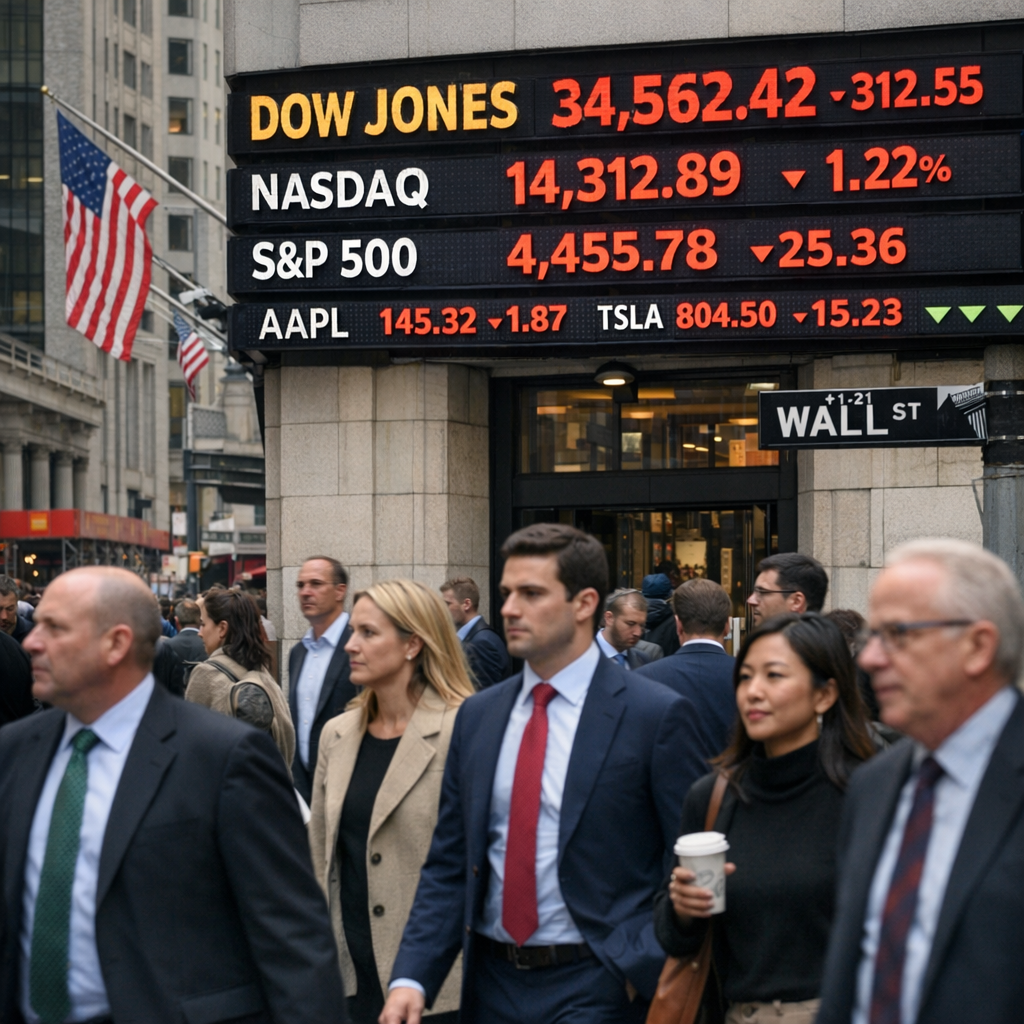
The U.S. economy has experienced a series of fluctuations in recent quarters, reflecting a complex interplay of various factors. Understanding these dynamics is crucial for both policymakers and the general public.
Gross Domestic Product (GDP) Growth
In the first quarter of 2026, the U.S. economy expanded by 1.6%. This growth follows a period of slower expansion in the latter half of 2025, indicating a modest rebound. GDP serves as a comprehensive measure of the nation’s economic health, encompassing the total value of goods and services produced.
Employment Trends
The labor market has shown resilience, with job additions continuing, albeit at a reduced pace compared to previous years. While sectors like hospitality and healthcare have seen employment gains, other industries have faced challenges, leading to a nuanced employment landscape.
Inflation and Consumer Prices
Inflation rates have remained below their peak but continue to pose challenges. Consumers have reported increased costs in essential areas, including groceries and school supplies. For instance, U.S. households are projected to spend approximately $4,000 per student on school-related expenses this year, highlighting the financial pressures on families.
Federal Reserve’s Role
The Federal Reserve closely monitors these economic indicators to inform decisions on interest rates and monetary policy. Their goal is to balance economic growth with price stability, ensuring a sustainable economic environment.
Staying informed about these economic trends is vital for making informed personal and business decisions. As the economic landscape evolves, continuous monitoring and adaptation will be essential.